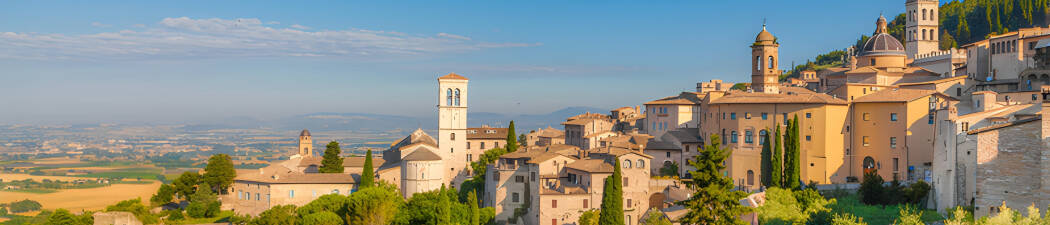
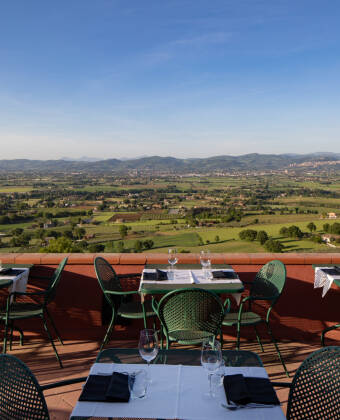
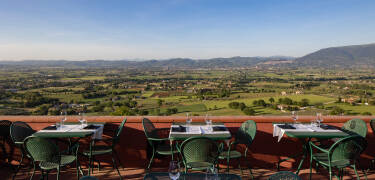
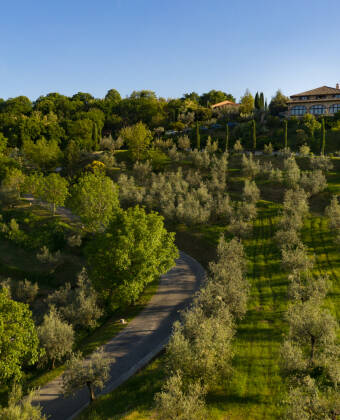
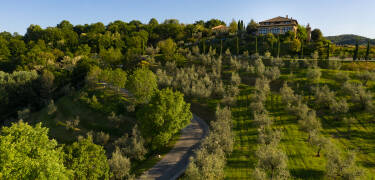
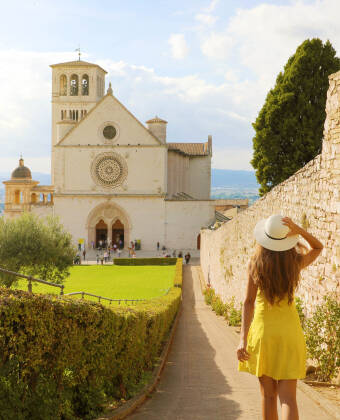
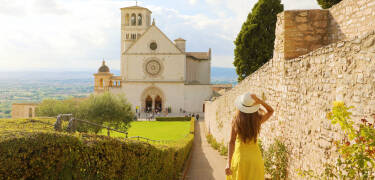
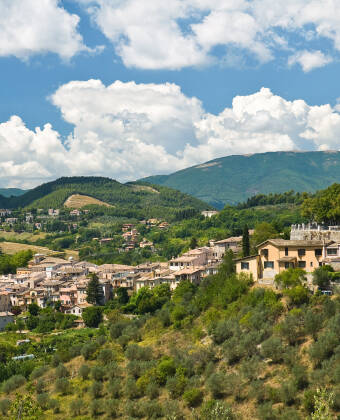
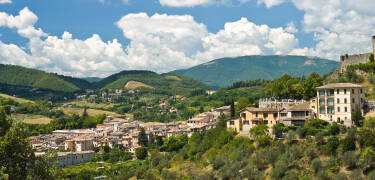
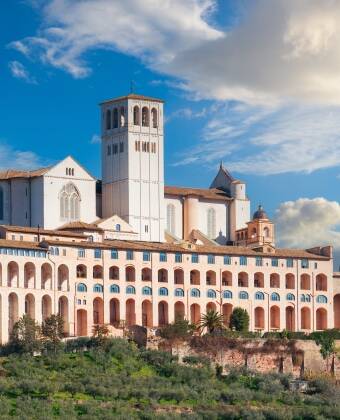
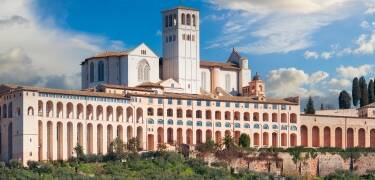
Umbria, often referred to as the "Green Heart of Italy," is a mesmerizing region that captivates visitors with its rich history and stunning attractions. Nestled between Tuscany, Marche, and Lazio, this landlocked region has a unique charm, untouched by the ravages of the modern world. Characterized by verdant rolling hills, vast vineyards, and medieval hilltop towns, Umbria's history is intricately woven into its landscape, dating back to the Etruscan era. This region is home to a plethora of historical sites that narrate stories of its past, including the ancient Roman town of Spoleto, the spellbinding Basilica of Saint Francis in Assisi, and the Gothic-style Orvieto Cathedral. These landmarks offer a vivid portrayal of the region's past, making Umbria a paradise for history buffs.
The diverse sub-regions of Umbria are each fascinating in their unique ways. Perugia, the capital city, is an enchanting blend of ancient architecture and vibrant modern life. Here, the famed Palazzo dei Priori and the stunning Fontana Maggiore are sights to behold. Assisi, another significant sub-region, is renowned as the birthplace of St. Francis, the patron saint of Italy. It offers an unparalleled spiritual experience, attracting a multitude of pilgrims every year. Another captivating sub-region is Orvieto, perched on a volcanic rock. Its labyrinthine underground city and the magnificent Orvieto Cathedral are significant tourist attractions. Terni, known as the "City of Lovers" due to its association with St. Valentine, is also worth a visit, particularly for its Roman amphitheater and the Marmore’s Falls, the highest man-made waterfall in the world.
The smaller towns of Umbria are no less interesting. Spoleto, famous for its annual summer music festival, "Festival dei Due Mondi," is a delight for music enthusiasts. Its Roman theatre and fortress are striking reminders of the town's Roman and Medieval past. Gubbio, one of the oldest towns in Umbria, is admired for its well-preserved medieval streets and buildings, including the massive 14th-century Palazzo dei Consoli. The town of Norcia, surrounded by the Sibillini Mountains, offers stunning natural beauty and is a popular base for hiking and mountain biking. Despite being landlocked, Umbria is also home to Lake Trasimeno, the fourth-largest lake in Italy, offering beautiful views and a variety of water activities.
In conclusion, Umbria is a treasure trove of historical sites and natural beauty. Whether you are a history enthusiast, a nature lover, or a spiritual seeker, this region has something to offer everyone. With its fascinating history, picturesque landscapes, and captivating cities and towns, Umbria truly embodies the essence of Italy.